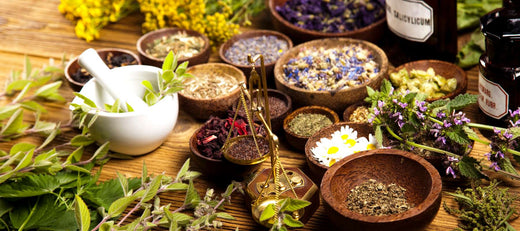


Bee balm is one of those plants that quietly does a lot in your garden. It brings in pollinators, adds bold color, and has a long history of herbal use. The vibrant shape of the bee balm flower makes it stand out from midsummer into early fall.
Most people grow it for its looks, but exploring different bee balm uses shows just how useful and versatile it can be. From tea to simple home remedies, this plant offers real value for everyday life. This guide walks you through the benefits, traditional uses, and simple ways to use bee balm at home.
Key Benefits of Bee Balm
Bee balm supports both your garden and your daily routine.
Nutritional and herbal properties of bee balm
Bee balm contains natural compounds like thymol, which is also found in thyme. Thymol has antiseptic properties and has been used in herbal practices for a long time. The plant also contains other helpful compounds that support overall wellness.
Bee balm is not a food you eat in large amounts. It works more like a functional herb, similar to oregano. Most people use it in small amounts, often as tea.
Benefits for overall garden ecosystems
Bee balm is excellent for pollinators.
It attracts:
- Bees
- Butterflies
- Hummingbirds
It also brings in beneficial insects that help control pests. This makes it a useful companion plant for your garden.
Multi-purpose value in home gardens
Bee balm offers several benefits in one plant:
- Decorative flowers
- Edible leaves and petals
- Herbal uses
- Pollinator support
This makes it a great choice for small gardens where every plant needs to be useful.
Why is bee balm valued as a functional plant?
A functional plant provides more than just appearance. Bee balm supports pollinators, improves garden health, and offers simple herbal uses. It is a perennial, so it comes back each year with very little effort. Once established, it becomes a long-term asset in your garden.
Traditional and Medicinal Uses of Bee Balm
Bee balm has been used for generations. Historical uses of wild bergamot in herbal practices Native American communities used wild bergamot in many ways.
It was used to support:
- Respiratory health
- Skin care
- General wellness
Later, it became popular as a tea substitute known as Oswego tea.
Common uses of leaves and flowers
Both leaves and flowers are used. Leaves are stronger and often used for herbal preparations. Flowers are milder and often used in cooking or tea blends.
Internal vs external applications
Bee balm can be used in different ways:
- Internal: tea and simple infusions
- External: poultices and skin applications
Each method serves a different purpose.
Traditional preparation methods
Common methods include:
- Tea made from fresh or dried leaves
- Tinctures prepared with alcohol
- Poultices made from crushed leaves<
- Infused oils for skin use
Simple preparations are often the most effective.
Practical Herbal Uses in Everyday Life
Bee balm is easy to use once you get started.
Making bee balm tea
Bee balm tea has a mild, pleasant flavor.
To make it:
- Use fresh or dried leaves
- Pour hot water over them
- Let it steep for 10 to 15 minutes
You can add honey if desired. This is one of the easiest ways to use the plant.
Using bee balm in natural remedies
Bee balm can be used for simple everyday needs.
Examples include:
- Gargling tea for throat comfort
- Using crushed leaves for minor skin irritation
- Inhaling steam for congestion
These uses are simple and practical.
Culinary uses of bee balm flowers
Bee balm flowers are edible.
You can:
- Add petals to salads
- Use as a garnish
- Infuse into drinks
They add color and a light herbal flavor.
Incorporating bee balm into herbal routines
Start simple. Use bee balm tea a few times a week. Harvest leaves during the growing season and dry them for later use. This creates a steady and natural routine.
Safety Considerations and Responsible Use
Using bee balm properly keeps it safe and effective.
When to use bee balm cautiously
Bee balm is generally safe in small amounts.
However, some people should be careful:
- Pregnant or nursing individuals
- Those sensitive to mint-family plants
If unsure, start with small amounts.
Understanding proper preparation
Use moderate amounts when making tea or remedies. Stronger preparations should be used carefully. Balanced use helps avoid unwanted effects.
Avoiding misuse of herbal plants
Bee balm is helpful for minor issues. It is not a replacement for medical care when needed. Use it as support, not as a cure for serious conditions.
Common misconceptions about medicinal herbs
Not all natural remedies are risk-free. Bee balm is generally safe, but it should still be used responsibly. Moderation is always important.
When and Why to Use Bee Balm
Bee balm works best when used with a clear purpose.
Choosing the right use case for your needs
Think about your goal:
- Tea and flavor: choose milder varieties
- Strong herbal use: choose wild bergamot
- Pollinators: any bee balm works well
Matching the plant to your needs improves results.
Combining herbal and gardening benefits
Bee balm is perfect for a dual-purpose garden. You can harvest what you need while still supporting pollinators. This makes your garden both useful and productive.
Using bee balm as part of a sustainable lifestyle
Growing your own herbs reduces reliance on store-bought products. You know exactly how your plants were grown. This adds confidence and control to your routine.
Long-term value of growing your own herbs
A single plant can produce for many years. It requires little care and continues to provide value over time. This makes bee balm a smart long-term addition to any garden.
Making Bee Balm Part of Your Routine
Bee balm is one of the easiest ways to connect your garden with everyday use. It supports pollinators, adds beauty, and gives you a simple herbal resource. Start with one plant, learn how to use it, and build from there. Over time, it becomes a natural part of both your garden and your daily routine.